
Many people start a fitness routine with motivation, energy, and a clear goal. They want to feel stronger, look better, improve their daily routine, and create a healthier lifestyle.
So they search online for a workout plan, follow a few exercises, try a diet idea, maybe download a fitness app, and stay consistent for a few weeks.
But then something frustrating happens.
The results slow down.
The routine starts to feel random. The motivation drops. The person keeps training, but the progress does not feel clear.
And then comes the question:
“Am I doing something wrong?”
The truth is, sometimes the problem is not lack of effort. Sometimes the problem is lack of personalization.
Generic workout plans are everywhere.
You can find “best workout routine,” “gym workout for beginners,” “home workout plan,” “muscle building routine,” and “fitness challenge” in just a few seconds.
Some of these plans may be useful as a starting point. But many of them are created for a general audience, not for your body, your routine, your training level, your goals, or your lifestyle.
That matters.
A person who is just starting may need a different structure from someone who already trains regularly.
Someone with limited time may need a different routine from someone who can train almost every day.
Someone who wants more strength may need a different plan from someone who wants more endurance, better organization, or a healthier daily routine.
And two people can follow the same plan and have very different experiences.
Why?
Because fitness is not one-size-fits-all.
Your schedule, habits, nutrition, recovery, training experience, consistency, and personal goals all influence your progress.
This is why many people feel stuck even when they are trying.
They are not lazy.
They are not necessarily doing everything wrong.
They may simply be following a plan that was never designed for them.
A personalized fitness plan can help create more direction.
Instead of guessing what to do next, you get a routine that is closer to your goals, your current level, and your lifestyle.
Personalization may help you answer important questions.
What should I focus on first?
How often should I train?
What type of exercises fit my level?
How can I track progress without getting confused?
Is my current routine actually connected to my goal?
This kind of structure can make a difference.
Not because it guarantees results.
No plan can honestly promise that.
But because better structure may help you stay consistent, avoid random training, and understand what you are actually working toward.
And in fitness, consistency matters.
A clear plan is often better than jumping from one random workout to another every week.
Personalization can also reduce confusion.
When people do not know what to do, they often overthink everything.
They change routines too fast.
They try too many tips at once.
They compare themselves to people with completely different schedules and lifestyles.
That creates frustration.
A smarter approach is to build a routine that makes sense for your own situation.
It is important to be realistic.
A personalized fitness plan is not magic.
It does not replace discipline, nutrition, sleep, recovery, or consistency.
It also does not guarantee a specific result.
But it can be useful for people who want more clarity.
If you are trying to improve your routine, having a plan that considers your goal may be better than following random workouts from the internet.
A good fitness routine should help you understand where you are now, what you want to improve, what type of training fits your level, how to stay consistent, and how to adjust over time.
That is where modern fitness tools can be helpful.
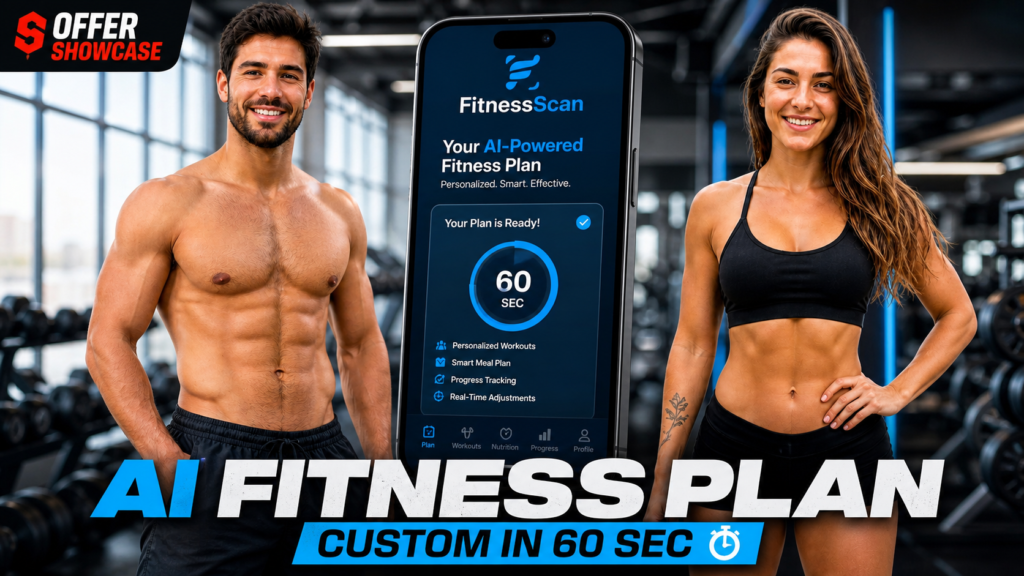
Some apps now use technology and AI-powered analysis to help people create a more personalized direction for training, nutrition, and progress tracking.
Again, the goal is not to replace a qualified professional.
The goal is to give you a clearer starting point.
For many people, that alone can make the fitness journey feel less confusing.
If you feel stuck, the solution may not be to work harder without direction.
Sometimes, the better move is to step back and ask better questions.
Is my current plan actually made for my goal?
Am I training with structure or just doing random exercises?
Do I know what I am tracking?
Am I giving my body enough time to adapt?
Does my plan fit my real lifestyle?
These questions are simple, but they can change the way you approach fitness.
A sharper routine is not always the most extreme one.
It is usually the one you can understand, follow, and improve over time.
That is why personalization is becoming such a strong trend in fitness apps, workout planning, and smart wellness tools.
People do not just want more exercises.
They want better direction.
For people who want a more personalized starting point, FitnessScan is one option worth checking out.
It is designed for people who want help creating a more structured fitness direction based on their goals and routine.
It may be useful if you feel lost with generic workout plans and want a clearer way to organize your fitness journey.
As always, results vary from person to person.
Your progress depends on consistency, nutrition, training level, recovery, lifestyle, and individual factors.
This is not medical advice.
If you have health concerns, injuries, medical conditions, or doubts about starting a new fitness routine, talk to a qualified professional first.
If it fits your lifestyle, you can check the details here:
If your fitness results are not coming the way you expected, do not assume the problem is only effort.
Sometimes the missing piece is structure.
And sometimes, better structure starts with personalization.
A generic workout can give you movement.
But a personalized plan may give you direction.
For anyone trying to build a sharper, healthier, and more consistent routine, that direction may be exactly what was missing.